First 100
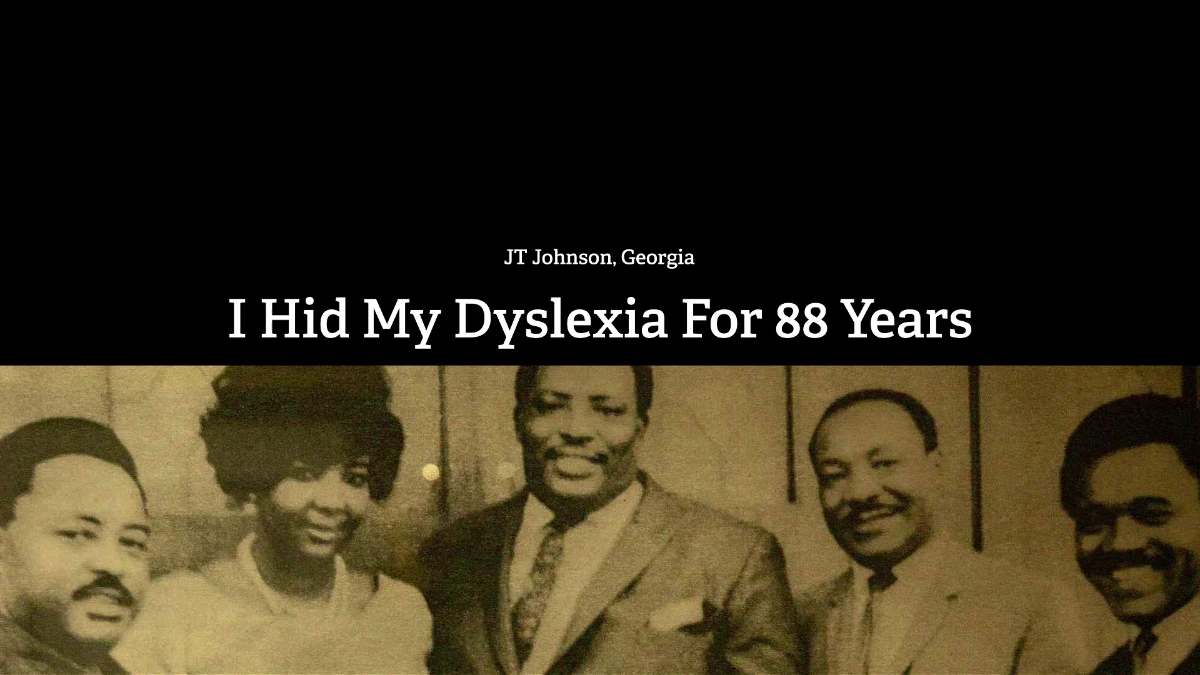
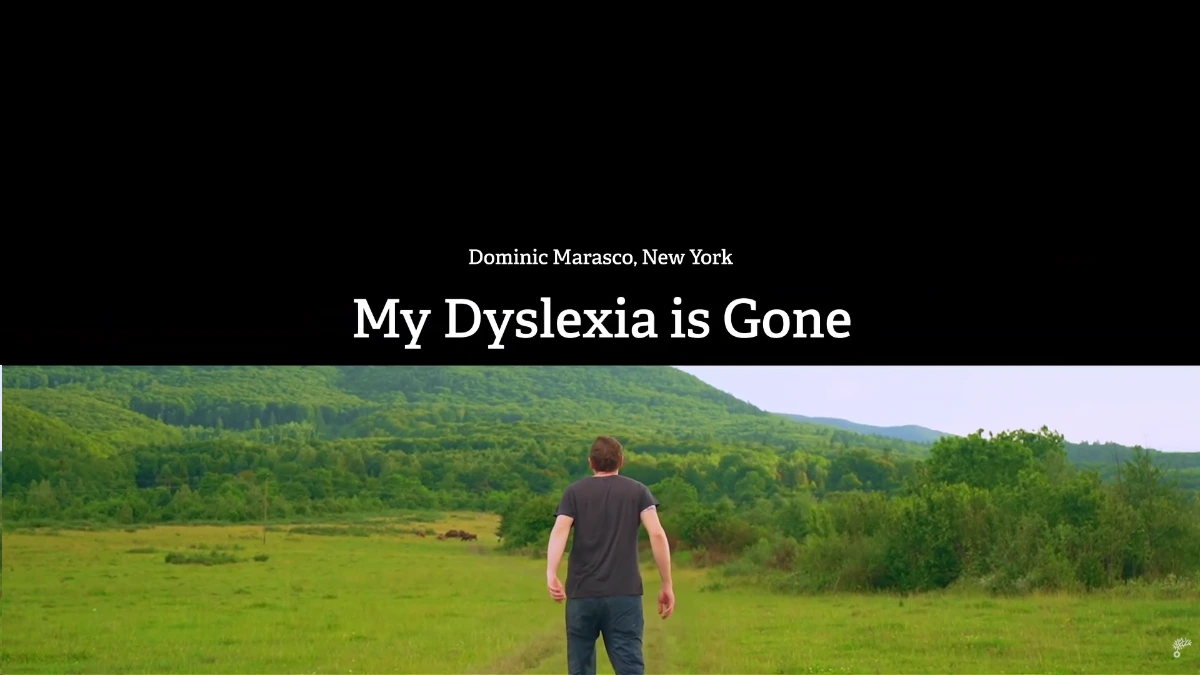
Every story here represents a journey through the daily struggles of dyslexia—and the life-changing breakthrough that came after. Meet the people from all walks of life who reclaimed their potential through Dysolve.
The students listed in the trailer advanced from Below and Well Below Proficient to Proficient and above in state or school reading assessments within 3 months to 2 years of using Dysolve. The First 100 list will keep growing as new graduates come forward with documented reading achievement. Come back again to see new stories.
References
- Ferrer, E. et al. (2015). Achievement gap in reading is present as early as first grade and persists through adolescence. Journal of Pediatrics, 167, 1121–1125.
- Anthony, N., & Bills, K. (2021). Examining college stop out rates for students with disabilities. Journal of Education & Social Policy, 8(3), 13-18. doi:10.30845/jesp.v8n3p2.
- Vacca, J. S. (2008). Crime can be prevented if schools teach juvenile offenders to read. Children and Youth Services Review, 30(9), 1055-1062. https://doi.org/10.1016/j.childyouth.2008.01.013
- National Assessment of Education Progress (NAEP). (2023). National achievement-level results. NAEP Report Card: Reading. https://www.nationsreportcard.gov/reading/nation/achievement
- Cassidy, L., Reggio, K., Shaywitz, B. A. et al. (2023). Prevalence of undiagnosed dyslexia in African-American primary school children. npj Science of Learning, 8, 52. https://doi.org/10.1038/s41539-023-00204-8
- National Center for Education Statistics (NCES). (2023). Students with disabilities. Preprimary, Elementary, and Secondary Education. https://nces.ed.gov/programs/coe/indicator/cgg/students-with-disabilities
- National Center for Learning Disabilities. (2023). IDEA full funding: Why should Congress invest in special education? Policy & Advocacy. https://ncld.org/news/policy-and-advocacy/idea-full-funding-why-should-congress-invest-in-special-education/
- Institute of Education Sciences (IES). (2023). What Works Clearinghouse. Search results: Literacy topic. https://ies.ed.gov/ncee/wwc/Search/Products?searchTerm=&Topic=3
- Texas Education Agency. (2022). Special education allotment (TEC 48.102) – FSP. Revenues vs. general fund expenditures since FY2011. TEA Statewide Summary of Finances and PEIMS Financial Data.
- Elliott, J. G., & Grigorenko, E. L. (2014). The dyslexia debate. New York: Cambridge.
- National Early Literacy Panel. (2008). Developing early literacy: Report of the National Early Literacy Panel. Washington, DC: National Institute for Literacy.
- Landi, N., & Perfetti, C. A. (2007). An electrophysiological investigation of semantic and phonological processing in skilled and less-skilled comprehenders. Brain and Language, 102, 30-45. doi: 10.1016/j.bandl.2006.11.001.
- National Reading Panel. (2000). Teaching children to read: An evidence-based assessment of the scientific literature on reading and its implications for reading instruction. Bethesda, MD: National Institute of Child Health and Human Development.
- Donegan, R. E., & Wanzek, J. (2021). Effects of reading interventions implemented for upper elementary struggling readers: A look at recent research. Reading and Writing, 34, 1943-1977. doi: 10.1007/s11145-021-10123-y
- Center for Appropriate Dispute Resolution in Special Education. (2023). IDEA dispute resolution data summary for U.S. and outlying areas: 2011-12 to 2021-22. https://cadreworks.org
- National School Boards Association (NSBA). (2019). Good news, bad news on graduation rates. Data on Disabilities. https://www.nsba.org/ASBJ/2019/April/Graduation-Rates-Students-Disabilities
- Pierrotti, A. (April 3, 2025). Georgia’s ongoing battle with literacy and its impact on incarceration. Atlanta First News.
- Stevens, E.A., Austin, C., Moore, C., Scammacca, N., Boucher, A. N., & Vaughn, S. (2021). Current state of the evidence: Examining the effects of Orton-Gillingham reading interventions for students with or at risk for word-level reading disabilities. Exceptional Children, 87(4), 397-417.
- May, H. & Van Horne, S. (2025) Results from a randomized trial of the Dysolve® Program for students with reading difficulties. The Center for Research in Education and Social Policy (CRESP), University of Delaware.
- Sayeski, K.L., & Hurford, D.P. (2022). A framework for examining reading-related education research and the curious case of Orton-Gillingham. Learning Disabilities, 27(2), 1-11.
Start Your Own Success Story
Overcome dyslexia with Dysolve and unlock your full potential.